Project D4
A downloadable game
About the Game
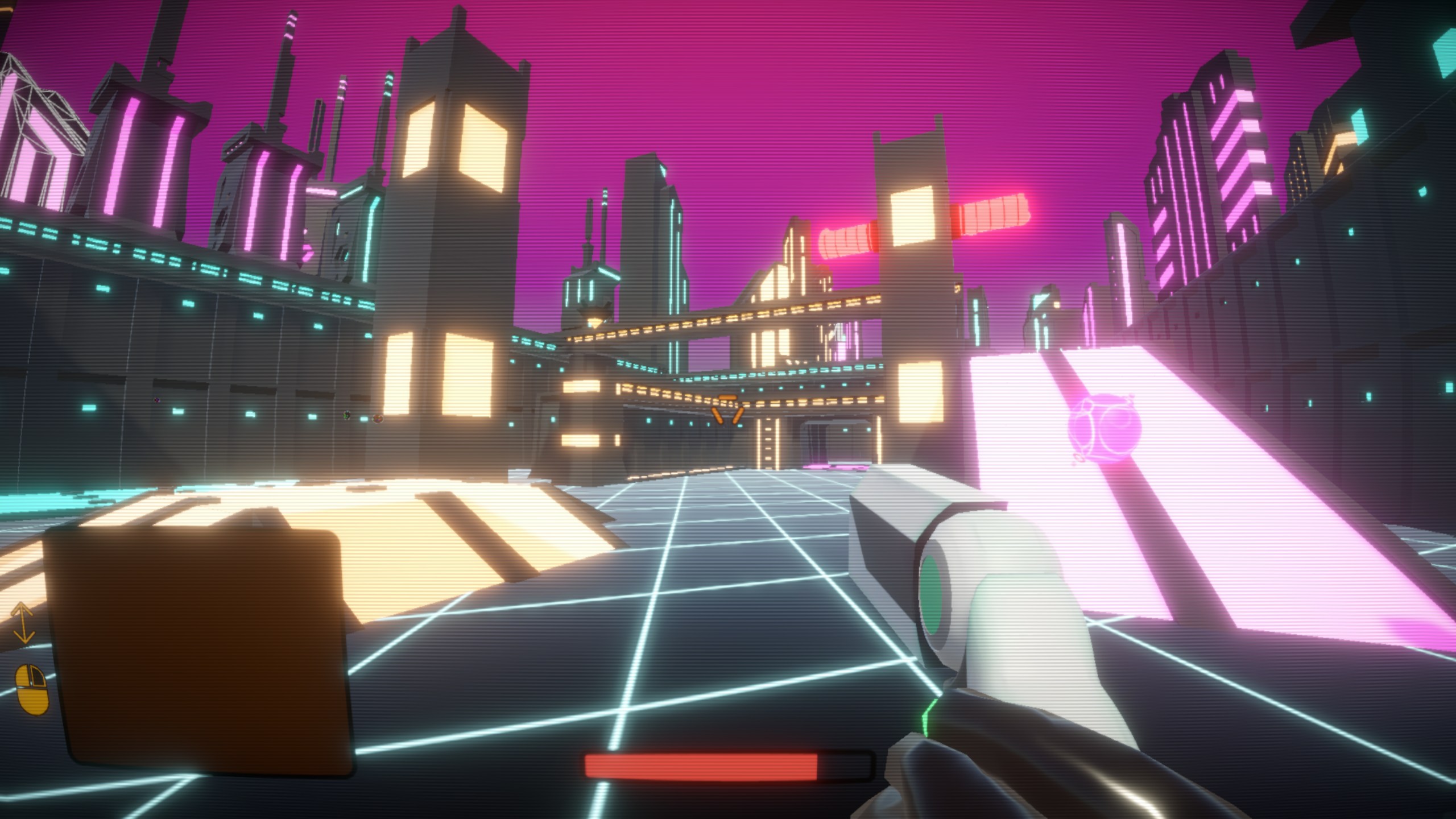
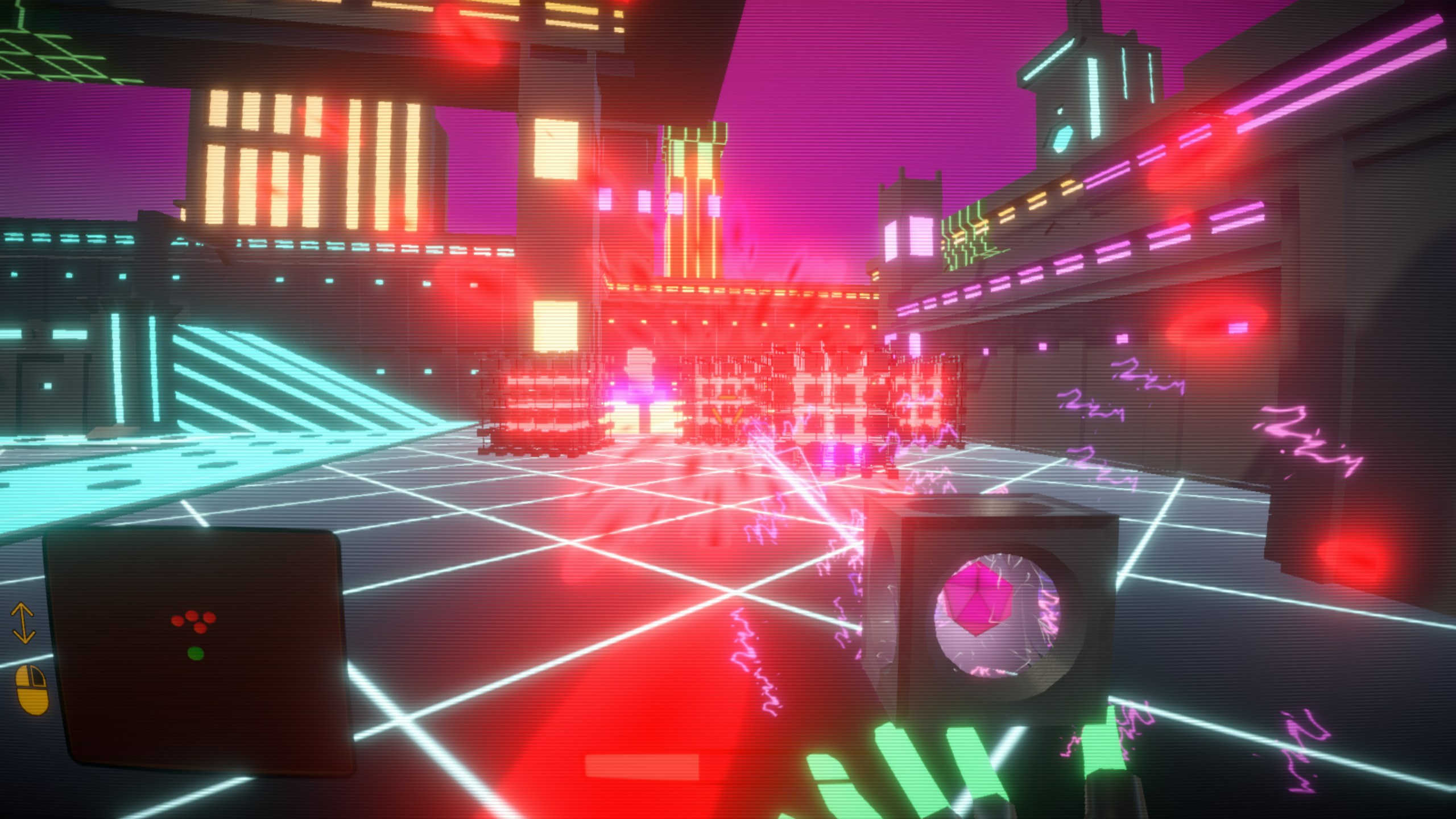
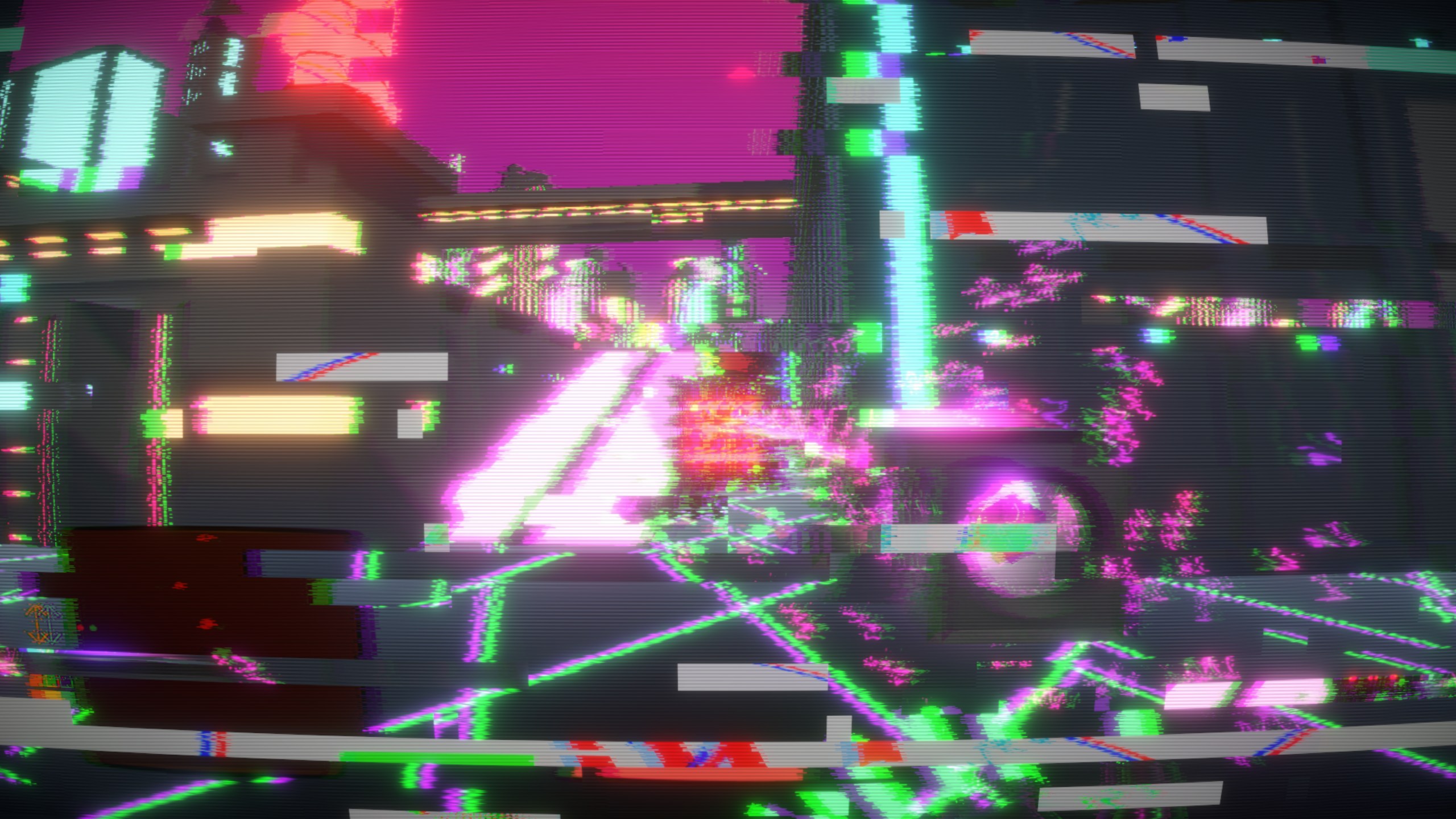
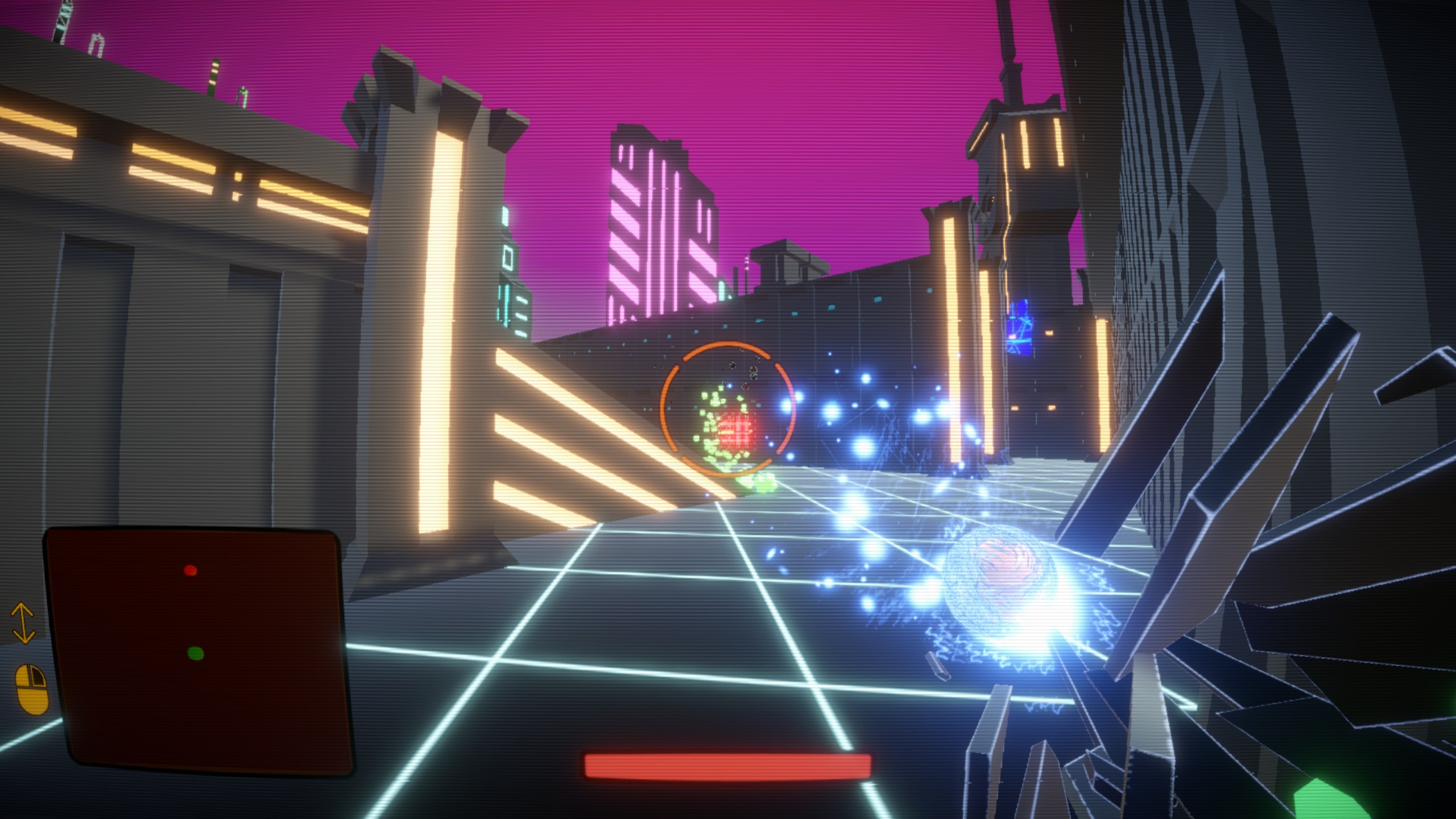
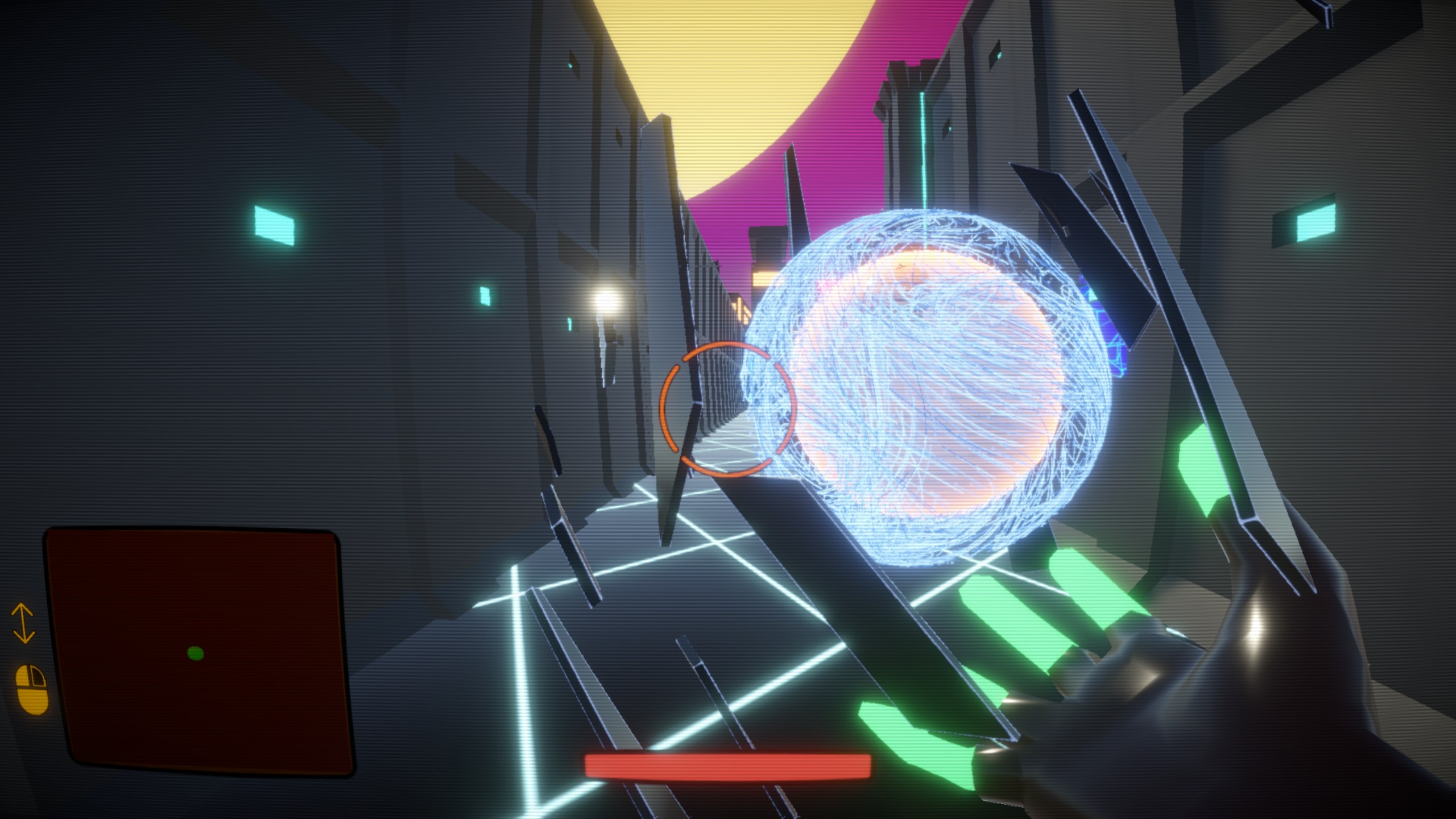
Split between two worlds, a cyber-dystopian system overrun by AI corruption, players must survive as long as possible while traversing procedurally generated rooms. The further they go, the more difficult enemies become, evolving with increased corruption. The game’s aesthetic features abstract digital enemies—floating cubes, triangles, and glitch effects—immersing players in an ever-changing virtual battleground. 
Core Features
- Overloading Mechanic – Gain powerful buffs, but risk Overload, which affects health and gameplay difficulty.
- Upgrade System – Enhance abilities with collected modifications, including Overload resistance, weapon enhancements, and movement buffs.
- Room Progression – Explore randomized rooms, each with unique challenges, enemy layouts, and environmental hazards.
- Combat Mechanics – Fluid first-person shooting and movement mechanics in a cyberpunk, glitch-inspired world.
Gameplay Structure
- Players select their weapon at the start of each run—unchangeable during gameplay, you have to commit to the run.
- Progression through levels introduces harder enemies and environmental challenges.
- Safe rooms provide moments of respite to manage Overload and upgrade abilities.
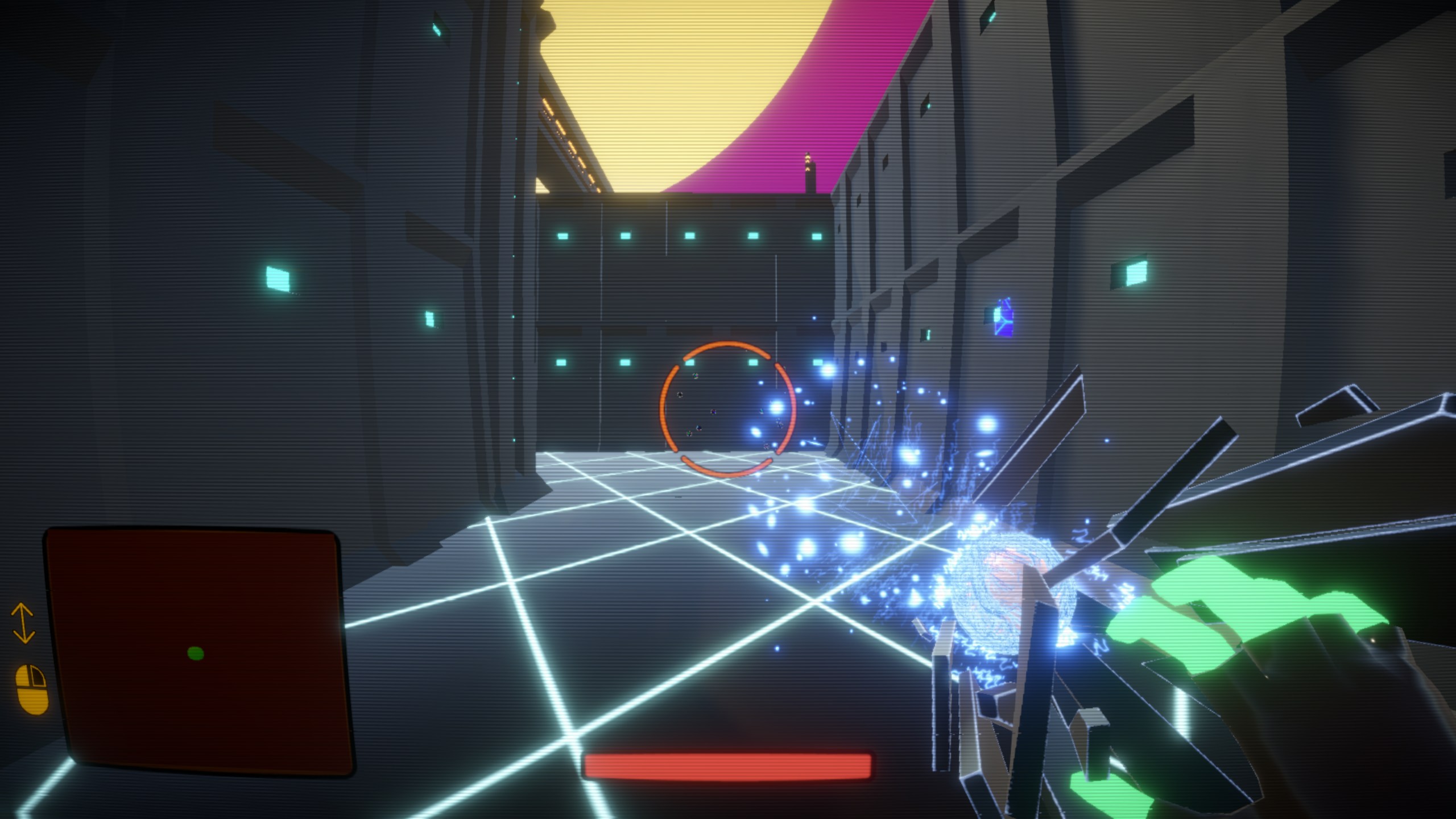
- The UI is diegetic, integrated into the digital world via in-game terminals.

Enemies & Weapons
- Enemies grow more aggressive as corruption spreads, making each run unique and unpredictable.
- Weapons are minimalistic, geometric in design, and feature various passive upgrades unlocked through gameplay.
- Buffs and modifications enhance combat, movement, and strategic choices.
👁️👁️👁️👁️👁️👁️👁️👁️👁️👁️👁️👁️👁️👁️👁️👁️👁️👁️👁️👁️👁️👁️👁️👁️👁️👁️👁️👁️👁️👁️👁️👁️👁️👁️👁️👁️👁️👁️👁️👁️👁️👁️👁️👁️👁️👁️
Development Details
Daniel Daniel Daniel Daniel was developed as a four week prototype with the theme “Growth and Fragility.” The design explored the idea of a fragile computer system breaking down under corruption while the player pushes deeper into a roguelike loop.
Development Priorities:
- Prototyping: Core combat and movement mechanics.
- Level Design: Procedural generation of room layouts.
- AI & Enemy Behavior: Adaptive difficulty scaling tied to corruption.
- UI/UX: A fully diegetic, immersive UI system.

My Role as Designer
I led the design direction of the game, focusing on systems, balance, and documentation. My work included:
- Core Gameplay & Systems – Designed the game loop, enemies, weapons, and progression balance.
- Difficulty Tuning – Prioritized a challenging experience over comfort. Introduced health recovery tweaks to refine difficulty after testing.
- Documentation – Wrote the full GDD, the enemy design document, and all supporting design docs.
- Implementation Support – Built the animation controller/state machine, created shaders, and contributed to sound when needed.
- Iteration & Playtesting – Conducted tests, gathered feedback, and adjusted balance for better pacing.
I also redesigned and authored this Itch page to present the project from a design perspective.
Design Approach
- Used Google Docs, Sheets, and Miro to document and iterate on systems.
- Kept AI parameters organized in Sheets for rapid balancing.
- Decisions were made through pitch-style sessions and collective votes to maintain clarity.
- Focused on making difficulty part of the identity—better to be too hard than boring.
Documentation & Resources
Future Considerations
- Balancing Overload & Difficulty Scaling: Adjusting corruption levels and player risk-reward choices.
- Expanded Weapon & Upgrade Pool: More build variety for unique runs.
- Endgame Goals: Long-term objectives and meta-progression for replayability.
Daniel Daniel Daniel Daniel is an experiment blending FPS combat, roguelike mechanics, and glitch aesthetics—driven by a focus on strong, challenging design. 
Download